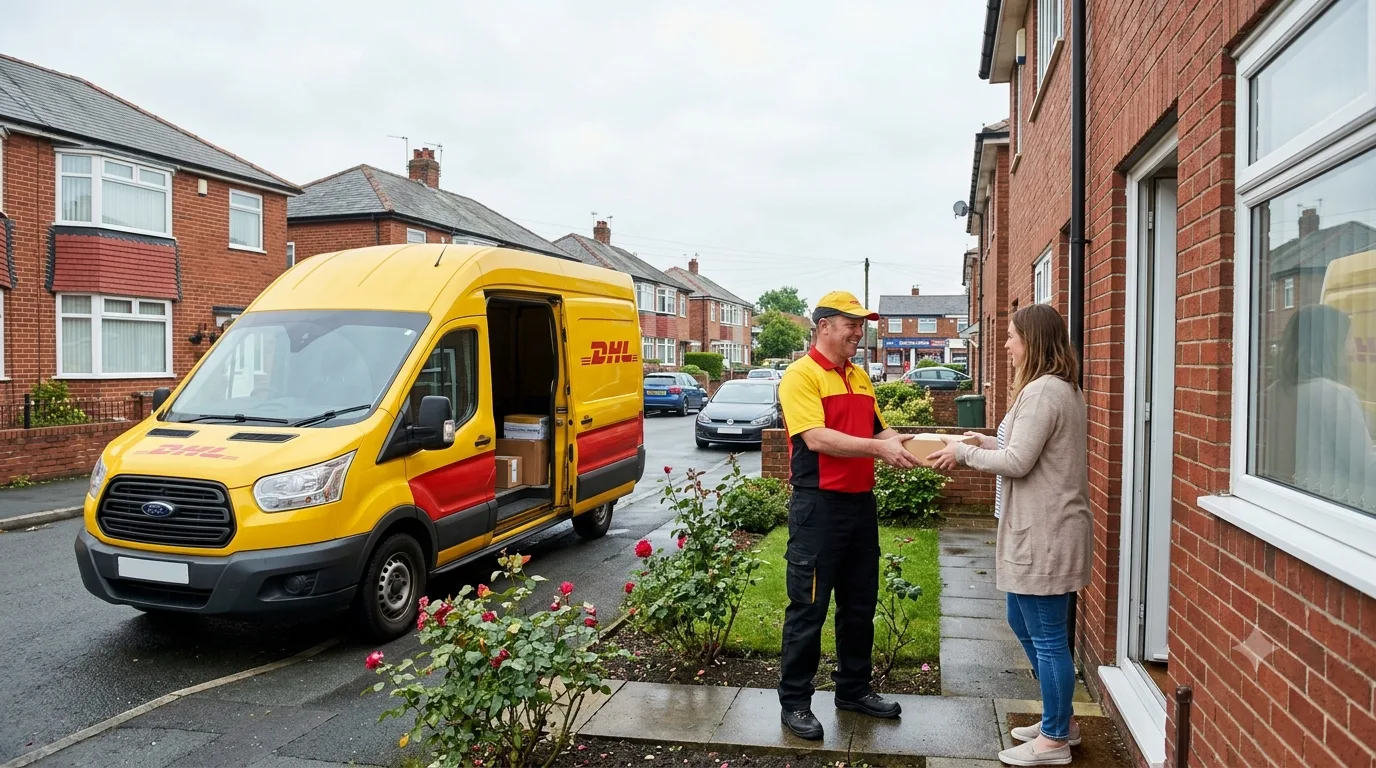

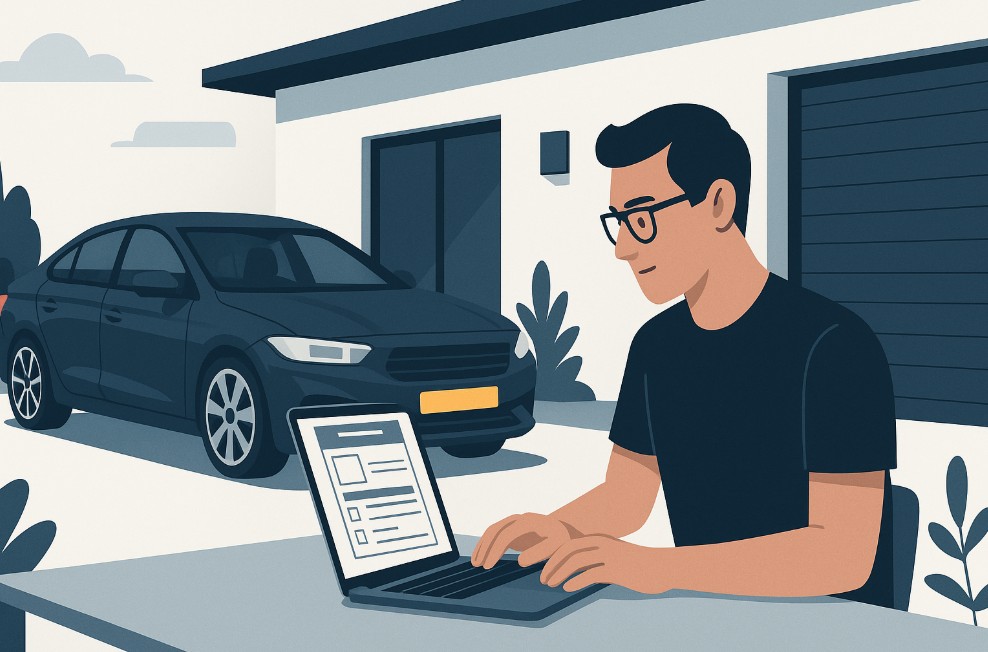
Your vehicle registration certificate, commonly known as the V5C or log book, should accurately reflect the registered keeper’s details and important information about the vehicle. You may need to update it after moving home, changing your name, modifying certain vehicle details or transferring the vehicle to someone else.
The V5C identifies the registered keeper responsible for registering and taxing the vehicle, but it is not proof of legal ownership. Keeping it accurate also ensures that important DVLA correspondence reaches the correct address.
Some updates can be completed online, while others must be sent to the DVLA by post with supporting evidence. The correct process depends on exactly what has changed.
What Is the Vehicle Registration Certificate (V5C) and Why Is It Significant?
The V5C, commonly referred to as the vehicle log book, is issued by the DVLA and acts as an official record of the registered keeper of a vehicle. It contains important information such as the vehicle’s registration number, make, model, engine size, fuel type, colour, and the name and address of the registered keeper.
Although it does not serve as proof of ownership, the V5C links a specific person to the legal responsibilities associated with the vehicle. This includes tax, MOT compliance, emissions obligations, and any penalties or enforcement actions.
An updated V5C ensures that you receive all necessary communication from the DVLA, such as reminders for tax renewals or penalty notices. It also helps prevent fraud by ensuring no one else can falsely claim responsibility for your vehicle or use outdated details for illegal activity.
Neglecting to keep your V5C up to date may not only result in missed DVLA correspondence but could also affect insurance claims and cause complications if the vehicle is stolen or involved in a legal matter.
When Are You Legally Required to Update Your V5C?
You must keep the information recorded on your V5C accurate and tell the DVLA when relevant personal or vehicle details change.
You may need to take action when:
- Your permanent home address changes
- Your name changes
- Information on your V5C contains a mistake
- Your vehicle’s colour, engine, cylinder capacity or fuel type changes
- Seating capacity or certain vehicle weight details change
- The chassis, monocoque bodyshell or motorcycle frame is changed in a way that affects its recorded details
- You sell or transfer the vehicle
- You permanently export the vehicle for 12 months or more
- Your vehicle is scrapped or written off and scrapped by an insurer
You normally do not need to tell DVLA about a temporary move if you can still be contacted at your permanent address.
Failing to tell DVLA about a change of name or address can result in a fine of up to £1,000.
What Kind of Changes Require V5C Updates?
The DVLA provides clear guidelines on the types of changes that necessitate a V5C update. These are categorised into personal and vehicle-specific changes.
Personal Information Updates
If your name or address changes, your V5C must reflect the new information. This helps ensure you continue receiving communication from the DVLA and that you’re not held accountable for issues relating to your old address.
Vehicle Changes That Must Be Reported
You must update your V5C when a modification changes information recorded about the vehicle.
This includes changes to:
- Colour
- Engine
- Cylinder capacity
- Fuel type
- Seating capacity
- Weight of certain large vehicles
- Chassis, monocoque bodyshell or motorcycle frame where its size or appearance changes
Some changes require supporting evidence. For example, an engine or cylinder-capacity change may require a receipt, manufacturer confirmation, insurance inspection report or written confirmation from a garage.
Fuel-type changes can also require evidence from the garage that completed the conversion or documentation for a replacement engine.
Structural modifications and significant conversions may require additional documentation or an inspection. DVLA will decide whether an inspection is necessary after reviewing the application rather than every particular type of conversion automatically requiring one.
Common Updates Requiring V5C Notification
| Type of Change | Update Required | Inspection Needed |
| Change of address | Yes | No |
| Name change | Yes | No |
| Engine replacement or modification | Yes | Possible |
| Colour change | Yes | No |
| Seating or weight adjustments | Yes | Possible |
| Conversion (e.g., van to campervan) | Yes | Likely |
| Change of ownership | Yes | No |
| Exporting or scrapping the vehicle | Yes | No |
How Do You Update the Vehicle Registration Certificate?
How you update your V5C depends on what information has changed.
Changing Your Address
A change to a UK address can normally be completed through the DVLA online service or by post. For a new-style V5C, postal address changes are entered in Section 3.
If you change your name and address at the same time, the change must currently be completed by post.
Changing Your Name
Name changes are completed by post. For a new-style V5C, enter the new name in Section 3 and send the log book with the required letter and, where applicable, evidence of the name change. DVLA says a new V5C can take up to six weeks following a name-change application.
Changing Vehicle Details
For changes such as engine size, fuel type, colour or other recorded vehicle specifications, complete the appropriate vehicle-details section and send the V5C to DVLA with any required evidence. DVLA currently advises that a replacement certificate following these postal updates can take around two to four weeks.
Replacing A Lost Or Damaged V5C
A replacement V5C usually costs £25. If none of your registered details have changed, you can normally apply online or by phone, and the replacement usually arrives within five to seven working days. Different procedures apply if your name, address or vehicle details also need changing.
What Are the Penalties for Not Updating Your V5C?
Keeping your V5C information accurate is a legal responsibility. You can be fined up to £1,000 for failing to tell DVLA when your name or address changes.
There are also notification requirements when a vehicle is sold, transferred, scrapped or written off. For example, failing to tell DVLA that a vehicle has been scrapped can result in a fine of up to £1,000, while failure to notify a change of keeper may result in a penalty notice.
An outdated address can also mean that important DVLA correspondence does not reach you. Updating the V5C should therefore be completed separately from updating your driving licence, as changing one does not automatically update the other.
Who Is Responsible for Updating the V5C?
The responsibility to update the V5C falls on the registered keeper listed in the document. This means:
- If you move to a new address, you must update your log book and driving licence.
- If you sell your vehicle, you must inform the DVLA and ensure the buyer completes their part of the V5C.
- If you buy a used car, you must complete the new keeper slip and submit it to the DVLA.
The DVLA does not automatically receive information from other government services like Royal Mail or the Home Office. Therefore, you must initiate the update yourself.
In situations involving company cars or leased vehicles, the leasing company or fleet manager usually holds the V5C. However, it is still your responsibility to inform them of any personal changes so they can update the document accordingly.
Do You Need to Update Private Number Plate Documents?
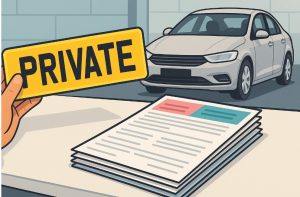
If you own a private registration number and it is not currently assigned to a vehicle, you will need to update your V750 (Certificate of Entitlement) or V778 (Retention Document) when you change your address.
This ensures the DVLA sends all relevant future correspondence to the correct location and prevents delays in reassigning the number plate to another vehicle.
Is It Always Obvious When a V5C Update Is Needed?
Not all situations that require a V5C update are clear-cut. For example, if you’re temporarily moving for work or education, you might be unsure whether a change of address is necessary. In these cases, it’s advisable to contact the DVLA directly for guidance.
While temporary changes may not legally require an update, it’s often safer to update your records or set up mail forwarding to avoid missing critical information.
What Role Does the V5C Play When Buying or Selling a Vehicle?
When selling a vehicle that will remain in the UK, the seller should give the buyer the green new keeper slip and tell DVLA that the vehicle has been sold, including the buyer’s full name and address.
Once DVLA has been notified, the previous keeper’s vehicle tax is cancelled and any refund for full remaining months is processed. Vehicle tax does not transfer to the buyer, so the new keeper must tax the vehicle before driving it or make a SORN if it will be kept off the road.
Buyers should check that the vehicle and V5C details are consistent, but the V5C itself is not proof of ownership. It records the registered keeper responsible for registering and taxing the vehicle.
Conclusion
You should update your V5C whenever your permanent address, name or relevant vehicle details change and notify DVLA when the vehicle is sold, transferred, permanently exported, scrapped or written off.
The correct method varies depending on the change. Address updates can often be made online, while name changes and many vehicle modifications require postal applications. Keeping the information accurate helps ensure DVLA records and correspondence remain connected to the correct registered keeper.
FAQs
What Happens If I Forget To Update My V5C After Moving?
Update it as soon as possible. You can be fined up to £1,000 for failing to tell DVLA about a change of address.
Do I Need To Change My V5C For A Temporary Address?
Not necessarily. You normally do not need to notify DVLA of a temporary move if you can still be contacted at your permanent address.
How Long Does A Replacement V5C Take?
A straightforward online or phone replacement usually takes five to seven working days. Postal vehicle-detail changes can take around two to four weeks.
How Much Does A Replacement V5C Cost?
A replacement V5C usually costs £25 when the original has been lost, stolen, damaged or destroyed.
Does A V5C Prove That I Own The Vehicle?
No. A V5C records the registered keeper responsible for registering and taxing the vehicle, but it is not proof of legal ownership.
Do I Need To Update My V5C After Changing My Car’s Colour?
Yes. Vehicle colour is one of the details DVLA specifically requires you to update on the V5C.
What Happens To Vehicle Tax When I Sell My Car?
Once you tell DVLA you have sold the vehicle, your tax is cancelled and you can receive a refund for any full remaining months. The buyer must arrange their own vehicle tax.
READ NEXT:
- How to Start a Vehicle Rental Business in the UK?
- How to Use Personal Assets to Fund Your First Startup?
- DVSA Roadside Fines Payment Changes: What Drivers Across the UK Must Know in 2025?
- Rachel Reeves Car Tax Hike: How Will It Impact UK Drivers and the Economy?
- DVSA HGV Drivers Hours Rules Changes: What UK Hauliers Must Know in 2025?